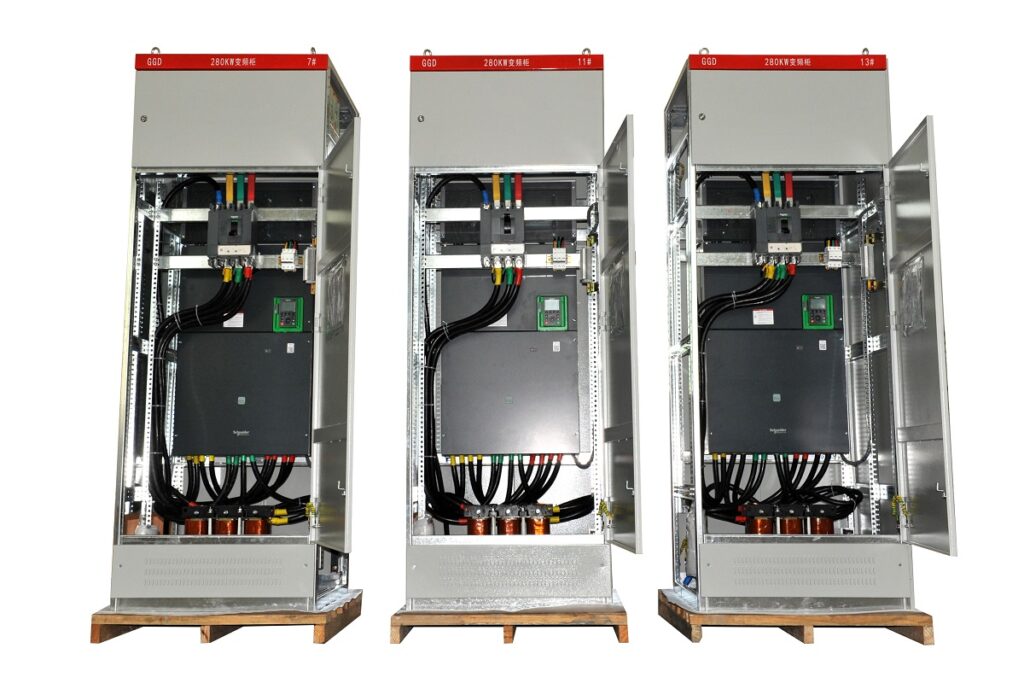
In hazardous industrial environments, safety is not just a regulatory checkbox—it is a critical operational requirement. Industries such as oil and gas, petrochemical processing, and mining operate in atmospheres filled with flammable gases, vapors, and combustible dusts. In these high-risk settings, standard electrical enclosures pose a severe threat. A single spark from an internal electrical fault can trigger a catastrophic explosion. This is where specialized hazardous area equipment becomes indispensable.
To guarantee safety, facility managers and electrical engineers rely heavily on certified explosion-proof enclosures. Selecting the right equipment requires a deep understanding of international safety standards and specific protection methodologies. This guide breaks down the core concepts behind the atex junction box, the iecex junction box, and the flameproof exd junction box to help you make informed procurement decisions.
1.What is an ATEX Junction Box?
The term ATEX originates from the French Atmosphères Explosibles. It refers to two distinct European directives designed to control explosive atmospheres. An atex junction box is an electrical enclosure tested and certified to comply with these rigorous European Union safety directives.
Key Characteristics of ATEX Certified Enclosures:
- Regional Compliance: Mandatory for any electrical equipment installed or sold within the European Union (EU) and European Economic Area (EEA).
- Zone Categorization: Designed for specific hazardous zones, categorized based on the frequency and duration of the explosive atmosphere (e.g., Zone 1 for occasional explosive gases, Zone 2 for rare occurrences).
- Marking Requirements: Every ATEX certified enclosure features the distinct CE mark alongside the specific “Ex” hexagon symbol, indicating its precise protection level and environmental compatibility.
Deploying an ATEX-rated enclosure ensures that your facility adheres to strict European safety mandates, minimizing legal risks and protecting human life.
2.What is an IECEx Junction Box?
While ATEX is the legal standard within Europe, the global industrial landscape requires a more unified framework. This is where the International Electrotechnical Commission System for Certification to Standards Relating to Equipment for Use in Explosive Atmospheres (IECEx) comes into play. An iecex junction box is certified under this international scheme.
Why Choose an IECEx Certified Enclosure?
Global Acceptance: IECEx operates as a truly international certification system. It reduces the need for costly and time-consuming re-testing across different nations.
Strict Quality Assessment: Unlike some certification systems that rely heavily on manufacturer documentation, IECEx requires independent, third-party testing of the physical product and ongoing audits of the manufacturing facility.
Dual Certification: Many top-tier manufacturers offer dual-certified enclosures that carry both ATEX and IECEx stamps, allowing global enterprises to standardize their inventory across multiple international facilities.
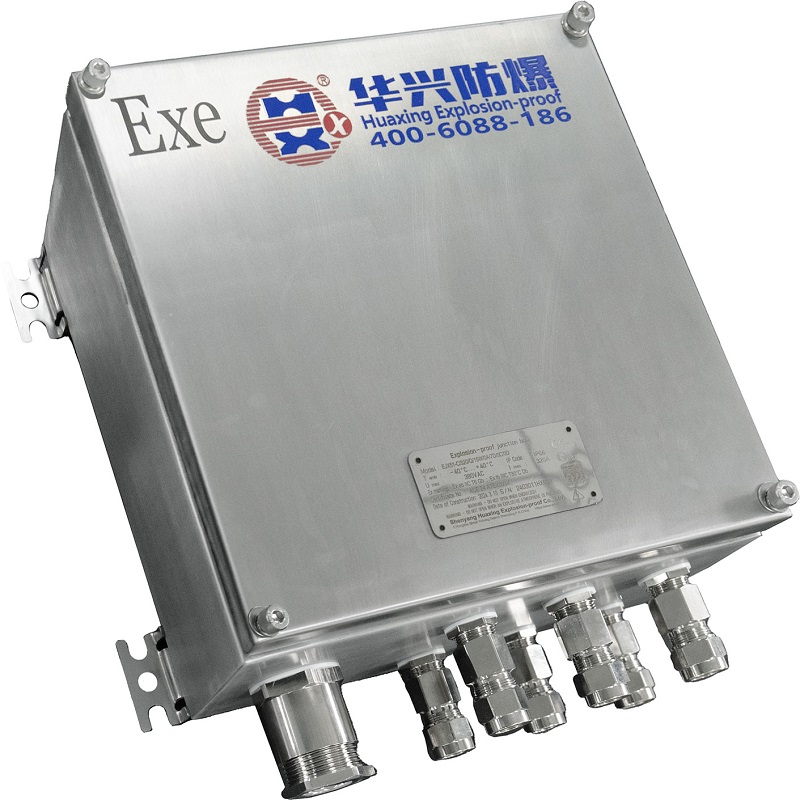
3.Demystifying the Ex d Junction Box (Flameproof Protection)
Understanding regional and global certifications (ATEX and IECEx) is only half the battle; you must also understand the engineering methodology used to contain hazards. The term “Ex d” denotes a specific type of protection known as “flameproof” (often referred to as “explosion-proof” in North American NEC standards).
An exd junction box is engineered with a fundamentally robust philosophy: it assumes an internal explosion will happen.
How an Ex d Enclosure Operates:
- Containment: The heavy-duty walls of the enclosure are built to withstand the immense internal pressure generated by an internal gas or vapor explosion.
- The Flame Path (Flame Gap): The joints, threads, and mating surfaces of the enclosure are precisely machined to create a “flame path.”
- Cooling Action: As hot, expanding gases escape through this engineered flame path, the precise tolerances cool the gases down significantly.
- Prevention: By the time the internal gases exit into the surrounding atmosphere, they are cool enough that they can no longer ignite the external hazardous gases.
Because of this heavy structural design, an exd junction box is typically manufactured from cast aluminum, stainless steel, or heavy-duty sheet metals, making them highly resilient against both internal faults and harsh environmental weathering.
4.Comparing Certification Frameworks and Protection Types
To simplify your engineering selection process, it helps to understand how these three terms interact. ATEX and IECEx dictate where and by what laws the equipment is validated. Ex d dictates how the mechanical structure actually stops an explosion.
| Feature / Criteria | ATEX Junction Box | IECEx Junction Box | Ex d Junction Box |
|---|---|---|---|
| Primary Scope | Legal regulatory compliance | Global standardization | Engineering protection style |
| Geographic Focus | European Union (EU) | International / Global | Worldwide engineering standard |
| Material Build | Varies (GRP, Stainless Steel, Aluminum) | Varies (GRP, Stainless Steel, Aluminum) | Typically heavy Cast Aluminum or Stainless Steel |
| Working Principle | Safe design for EU Zones | Safe design for Global Zones | Containment and cooling of internal flames |
.jpg)
Conclusion: Selecting the Right Hazardous Area Enclosure
Choosing between an atex junction box, an iecex junction box, or a specialized exd junction box depends heavily on your geographic location, facility classification, and engineering preferences. For most modern, high-risk industrial projects, sourcing a multi-certified Ex d enclosure that carries both ATEX and IECEx marks offers the highest level of safety, flexibility, and regulatory peace of mind. Always consult with a certified hazardous area electrical engineer to evaluate your specific environmental zones, temperature classes, and gas group requirements before finalizing your procurement.