Introduction
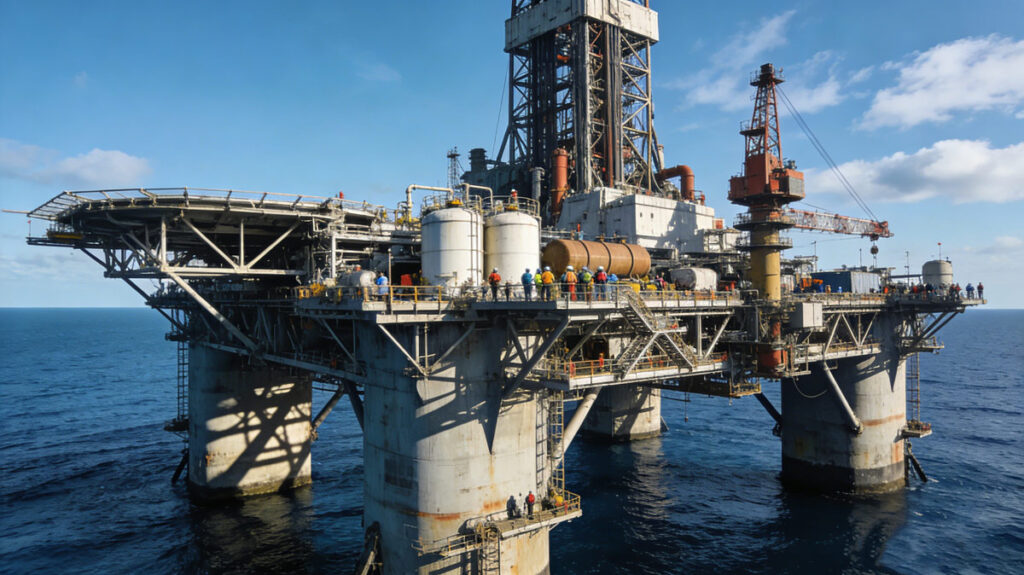
Offshore oil platforms present one of the most demanding and hazardous working environments in the industrial sector. With the constant presence of flammable gases, volatile hydrocarbons, and confined spaces, the need for robust safety measures cannot be overstated. At the heart of these safety protocols lies explosion-proof equipment—specialized devices designed to contain ignition sources and prevent catastrophic incidents. This case study examines how explosion-proof equipment is applied across offshore platforms to ensure operational continuity and personnel safety.
Why Offshore Platforms Require Specialized Explosion-Proof Equipment
Offshore production facilities operate in environments classified as Zone 1 or Zone 2 hazardous areas, where explosive gas atmospheres may occur under normal or abnormal operating conditions. Additionally, the marine environment introduces unique challenges such as saltwater corrosion, high humidity, and constant vibration. Standard electrical enclosures and control systems are inadequate for these conditions.
Explosion-proof equipment used on offshore platforms must meet stringent international standards, including IECEx and ATEX certifications, as well as GB3836 for facilities operating in or with equipment sourced from China. These devices are engineered to:
- Contain internal explosions without igniting the surrounding atmosphere
- Resist corrosion from salt spray and marine air
- Withstand extreme temperature variations and mechanical stress
- Maintain reliable performance in continuous-duty operations
Key Applications of Explosion-Proof Equipment on Offshore Platforms
Drilling and Production Areas
The drilling deck and production modules are classified as Zone 1 hazardous areas due to the frequent presence of hydrocarbon gases. In these zones, explosion-proof equipment such as junction boxes, lighting fixtures, motor starters, and control panels are installed throughout. Flameproof enclosures (Ex d) are commonly employed, where any internal ignition is contained within a robust housing that cools escaping gases to safe temperatures.
Living Quarters and Support Areas
Even in areas designated as Zone 2 or non-hazardous, safety margins are strictly enforced. Explosion-proof equipment is often installed in emergency systems, fire and gas detection networks, and public address systems to ensure functionality during critical events. Positive pressure cabinets (Ex p) are frequently used in control rooms to maintain a clean, gas-free environment for sensitive instrumentation.
Wellhead Control and Subsea Systems
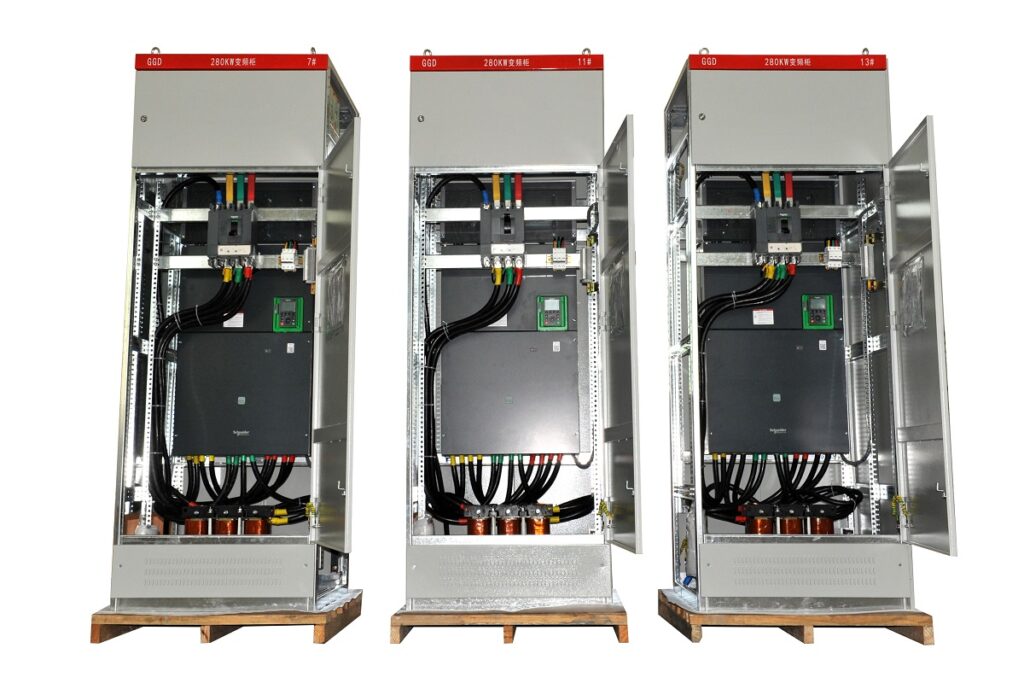
Wellhead platforms rely on hydraulic and electronic control systems that must operate flawlessly in explosive atmospheres. Explosion-proof equipment including solenoid valves, pressure transmitters, and remote I/O stations are encapsulated or housed in certified enclosures to eliminate ignition risks. These systems are designed for continuous operation with minimal maintenance, a critical factor given the logistical challenges of offshore servicing.
Challenges Addressed by Modern Explosion-Proof Equipment
Corrosion Resistance
The offshore environment accelerates corrosion of unprotected metals. Leading manufacturers of explosion-proof equipment utilize marine-grade stainless steel, copper-free aluminum, and specialized epoxy coatings to extend service life and maintain certification integrity.
Ease of Maintenance
Downtime on offshore platforms is extremely costly. Modern explosion-proof equipment is designed with modular components and accessible terminations to reduce maintenance time while preserving the integrity of explosion-proof seals and flame paths.
Integration with Automation Systems
As offshore platforms adopt digitalization and remote monitoring, explosion-proof equipment must seamlessly integrate with distributed control systems (DCS) and safety instrumented systems (SIS). Certified devices now offer advanced communication protocols such as Modbus, Foundation Fieldbus, and Profibus while retaining full explosion-proof ratings.
Results and Benefits
Platforms that implement properly specified and maintained explosion-proof equipment report:
- Reduced incident rates: Elimination of electrical equipment as an ignition source in hazardous zones
- Extended equipment lifespan: Corrosion-resistant designs withstand years of marine exposure
- Lower total cost of ownership: Reduced failures and simplified maintenance lower operational expenses
- Regulatory compliance: Full alignment with API, IEC, and classification society requirements
Conclusion
The application of explosion-proof equipment on offshore oil platforms is not merely a regulatory requirement—it is a foundational element of safe and sustainable operations. From drilling decks to living quarters, these specialized devices enable the industry to harness valuable energy resources while protecting both personnel and the environment.
At Shenyang Huaxing Explosion-proof equipment (Global)Co.,Ltd, we specialize in providing certified explosion-proof equipment tailored to the unique demands of offshore and onshore hazardous locations. Our product portfolio includes flameproof enclosures, positive pressure cabinets, lighting solutions, and custom control systems designed to meet the highest international safety standards.
For more information on how our explosion-proof equipment can support your offshore operations, contact our engineering team today.