Explosion-Proof Types of Explosion-Proof Distribution Boxes
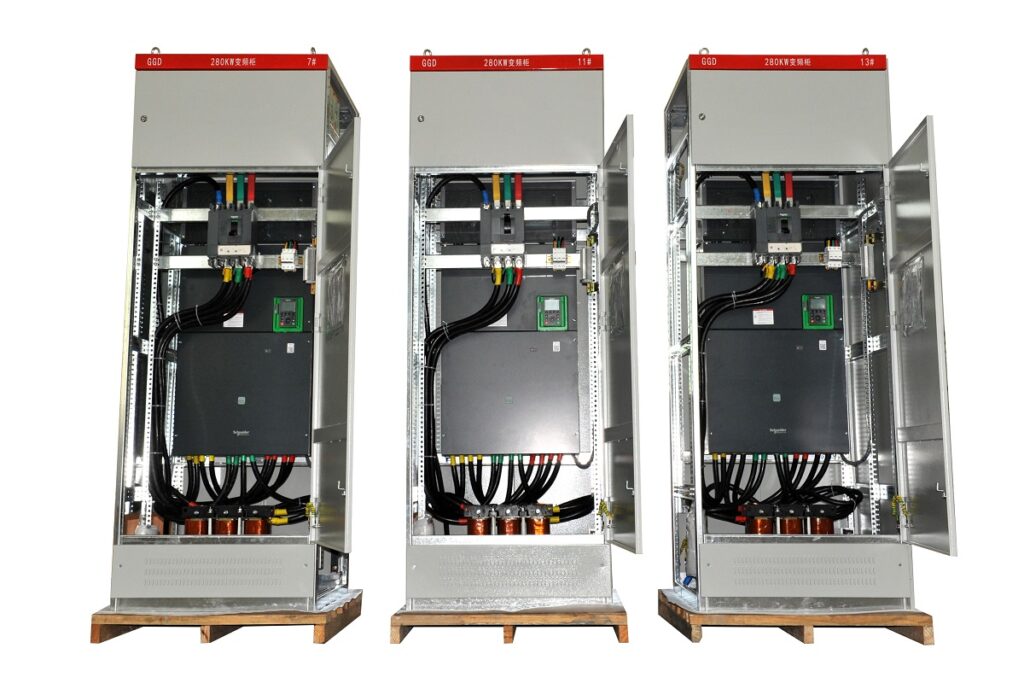
The explosion-proof distribution box is an essential safety device in industrial production. It is suitable for hazardous locations such as Zone 1 and Zone 2, Class A and B explosive gas environments, as well as Zone 20, Zone 21, and Zone 22 combustible dust environments. It is also designed for use with explosive gas mixtures rated T1 through T6. These units are widely used in oil extraction, petrochemical operations, chemical plants, military installations, offshore oil platforms, tankers, and other hazardous locations requiring reliable work and scene lighting.
There are several explosion-proof types available, primarily classified as enclosure-based isolation of ignition sources, medium-based isolation of ignition sources, and control of ignition sources.
Enclosure-Based Isolation (Flameproof Enclosure)
This is a more traditional explosion-proof method. It involves housing electrical conductors inside an explosion-proof enclosure. By increasing the gap surfaces of the assembled enclosure, the propagation of any internal explosion is prevented. In other words, even if an explosive mixture enters the housing and ignites, the flameproof enclosure contains the explosion. As combustion gases attempt to escape through the precision-engineered flameproof gaps, they are cooled below the ignition temperature of the surrounding atmosphere, preventing the external explosive mixture from igniting.
Enclosure Isolation of Ignition Sources
This explosion-proof design fully encloses electrical components that may generate arcs or sparks inside the explosion-proof distribution box. The enclosure is sealed using methods such as fusion, compression, or bonding to completely prevent explosive mixtures from entering the box, thereby achieving explosion protection.
Medium Isolation of Ignition Sources
In this approach, the conductive parts of electrical equipment are placed within a safe medium. This prevents the ignition source from coming into contact with flammable or explosive mixtures, ensuring effective explosion protection.
Control of Ignition Sources
During normal operation of the explosion-proof distribution box, this method uses high-quality insulating materials to reduce heat generation, increase electrical clearances, and extend creepage distances. This minimizes the likelihood of sparks, arcs, and hazardous temperatures, thereby reducing safety risks in industrial operations.
Finally, it’s important to understand that there are multiple forms of electrical explosion protection. Most explosion-proof equipment manufacturers will customize solutions based on user needs and specific site conditions. If necessary, please contact us for a tailored solution.
Working Environment Requirements for Explosion-Proof Positive Pressure Cabinets
As a safety protection device in industrial settings, the explosion-proof positive pressure cabinet requires specific operating conditions to achieve optimal performance.
The working environment for these cabinets is often complex and varied. They are suitable for:
- Zone 1 and Zone 2 hazardous locations
- Class IIA, IIB, and IIC explosive gas environments
- Zone 20, Zone 21, and Zone 22 combustible dust areas
- Temperature classes T1 through T6
- Applications in petrochemical plants, offshore drilling platforms, metallurgy, pharmaceuticals, light industry, textiles, breweries, paint and coating facilities, food processing, bioengineering, aerospace, and military installations
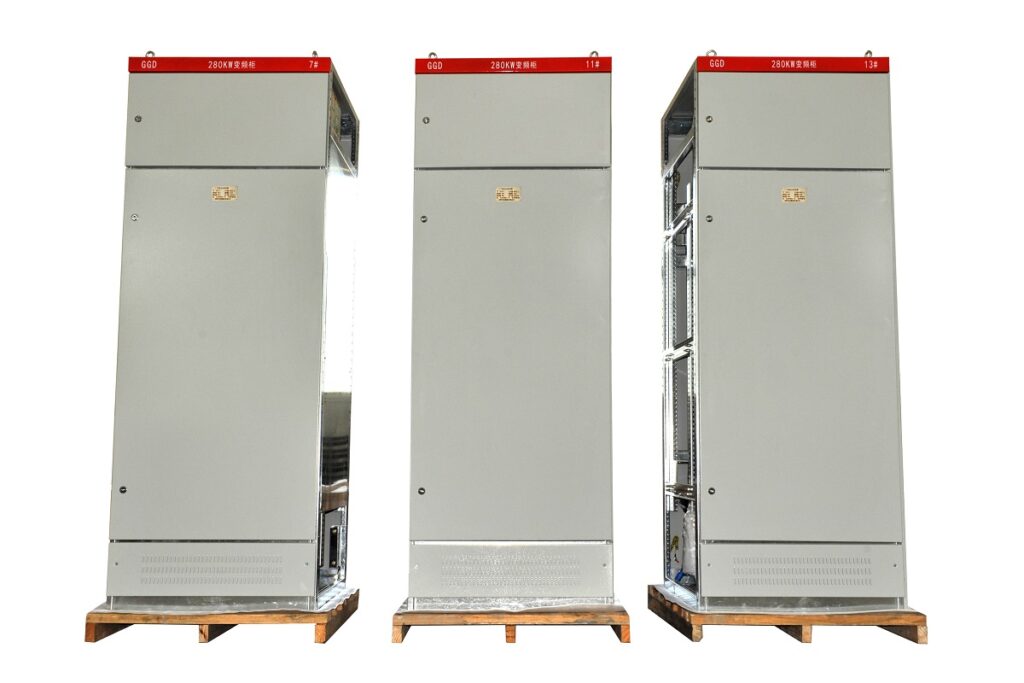
Under the control of an automated system, the internal pressure of the positive pressure cabinet is maintained above the external ambient pressure. This creates a micro-positive pressure environment that prevents flammable or hazardous gases from entering the cabinet, ensuring the safe operation of standard instrumentation and electrical components.
Environmental Conditions
The working environment for explosion-proof positive pressure cabinets should be kept generally clean, with relative humidity maintained between 20% and 80%, and no condensation present.
Installation Location
Most explosion-proof positive pressure cabinets are designed for indoor installation. The installation site must be free from conductive dust, explosive dust, strong vibrations, and impacts.
Temperature and Atmospheric Conditions
The standard operating temperature range for explosion-proof positive pressure cabinets is -15°C to +55°C. The surrounding air temperature should not exceed +60°C or drop below -30°C. The average temperature over any 24-hour period should not exceed +35°C. Installation altitude should not exceed 2000 meters. Relative humidity should not exceed 90% at +25°C. Additional environmental parameters include a rainfall intensity of 50mm per 10 minutes and a radiation intensity of 1.4 cal/cm²·min.